
Verification
Don't trust us.
Test us.
A drop of reagent tells you whether any hydrogen water has hydrogen in it, so this page teaches the test, and you can run it on our bottle and on the one you already own.
§ 01 · The reagent
Blue means no hydrogen.
Clear means yes.
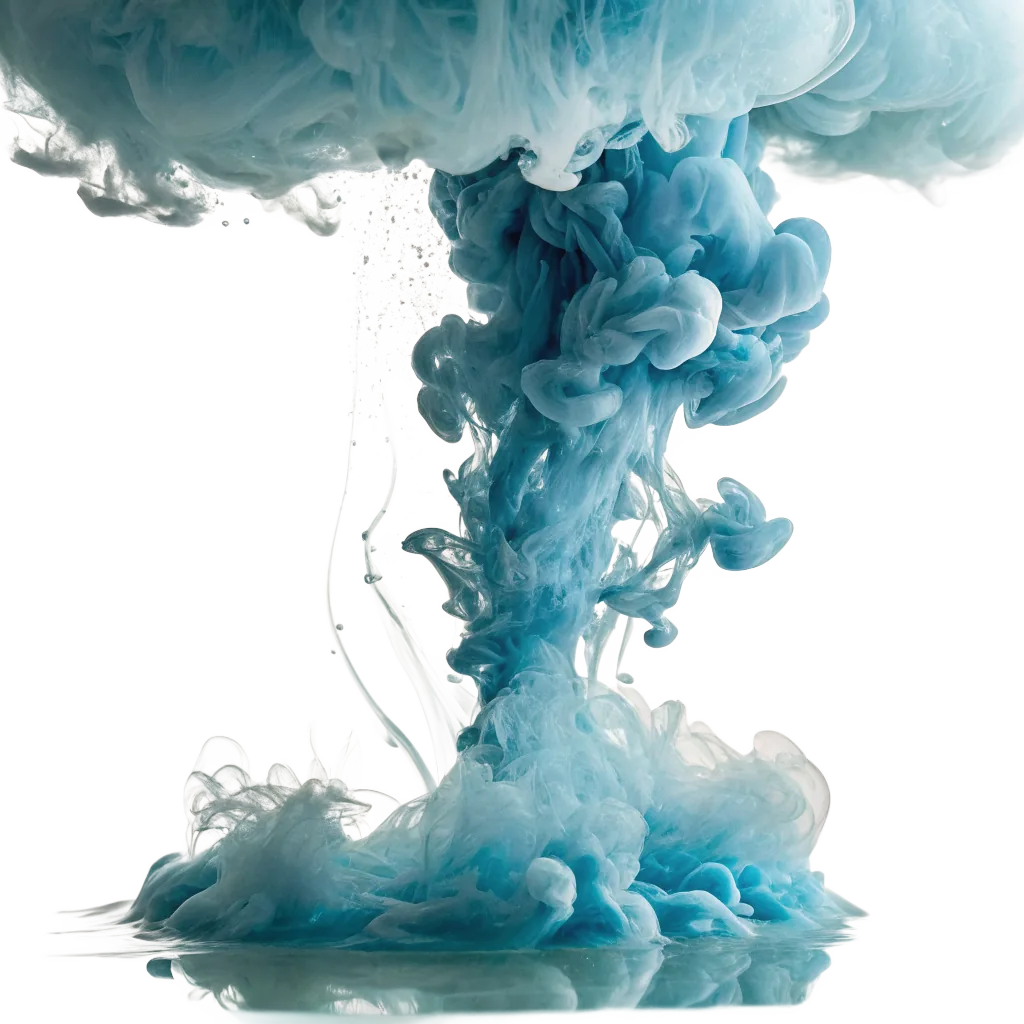
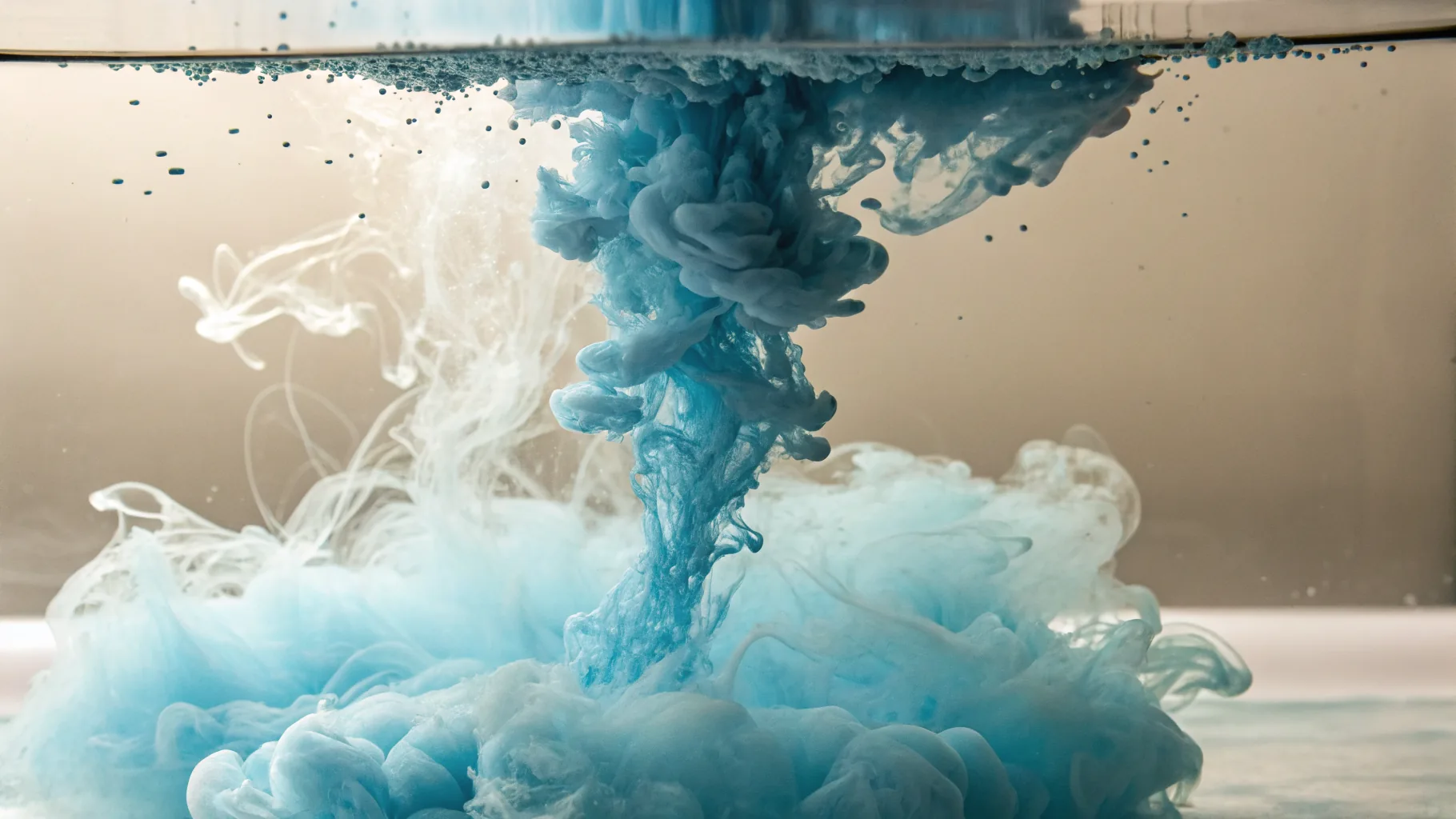
H2Blue is methylene blue with a platinum colloid catalyst. It was developed for laboratory use and adapted for retail. Methylene blue is blue when oxidized; dissolved hydrogen, with the platinum's help, reduces it to a colourless form. One drop of reagent is consumed by a fixed amount of hydrogen, which is what makes it a measurement instead of a simple yes or no.
Each drop that clears stands for roughly 0.1 milligrams of hydrogen per litre, so counting the drops gives you the concentration to the nearest tenth. The method is below.
It's the test the serious hydrogen community already uses to catch fakes, and it's the reason so many cheap bottles have one-star reviews that say “the drops stayed blue.” It works on any brand's water, including ours.
§ 02 · The method
Ninety seconds,
any bottle.
No lab, no meter, no chemistry degree. A sample, the drops, and your eyes.
- 01
Get the reagent.
H2Blue drops are sold by lab-supply vendors; a small bottle runs a few dozen tests. We don't sell them yet (why, below). Any brand of methylene-blue hydrogen reagent works the same way.
- 02
Make the water fresh.
Run your bottle's full cycle. Hydrogen starts leaving open water within minutes, so test straight from the bottle, not from a glass that's been sitting.
- 03
Measure a small sample.
Six millilitres in a clean glass is the standard sample for the common drop reagents. The vendor's instructions are the authority on the exact volume; use theirs.
- 04
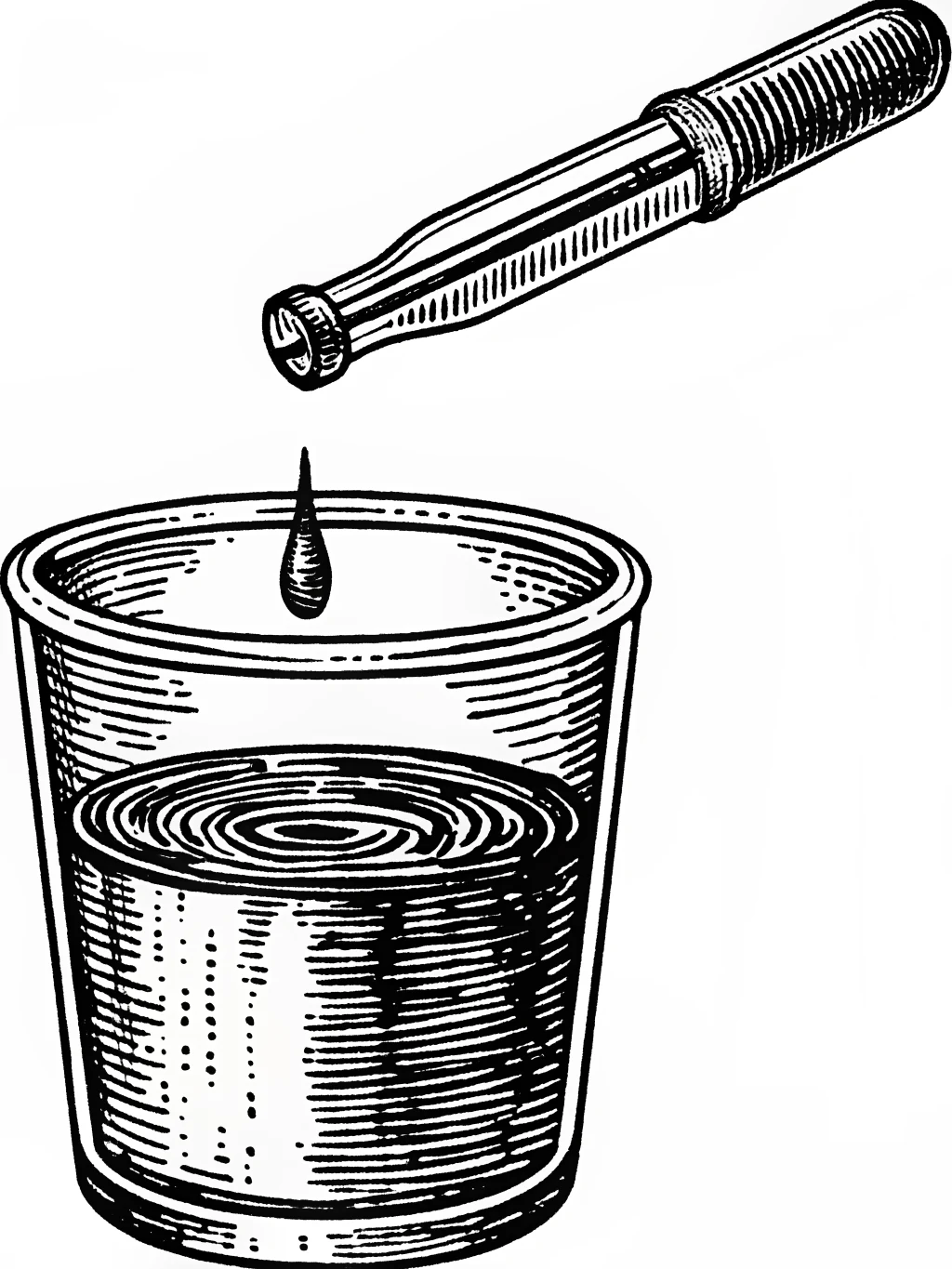
Add one drop. Swirl.
If there's dissolved hydrogen, the blue clears in a few seconds. Add the next drop and swirl again.
- 05
Count the drops that cleared.
Keep going until a drop stays blue. Each drop that cleared is roughly 0.1 mg/L. Ten drops is about 1 mg/L; sixteen is the room-temperature ceiling for water.
- 06
Now test the bottle in your cabinet.
Same sample, same drops. If the first drop stays blue, that bottle was never making hydrogen. It wasn't you, and it wasn't the molecule.


§ 03 · Reading it
Three things that can happen, and what each one tells you.
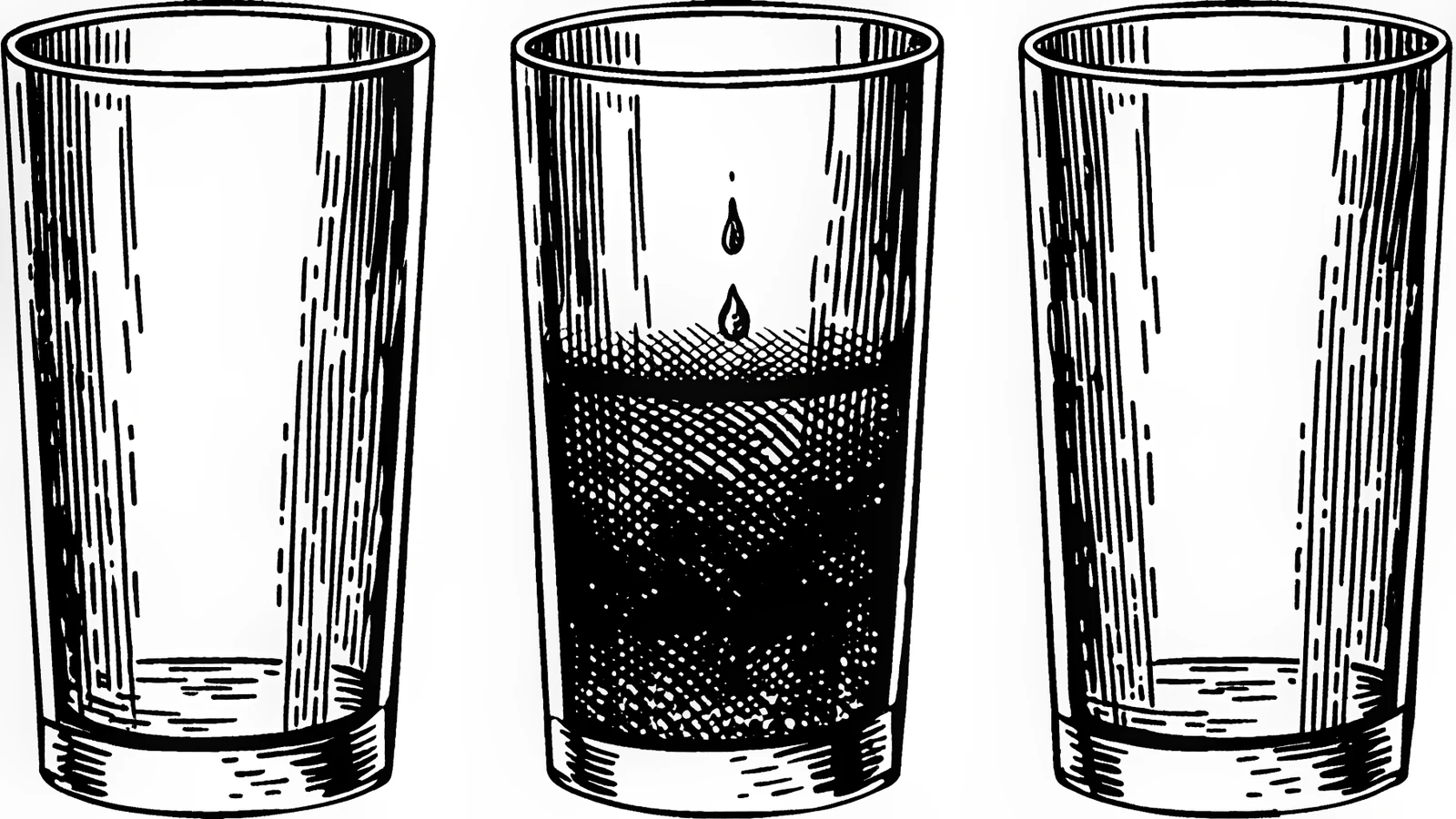

Clears fast, many drops
Real hydrogen at a real concentration. Count the drops: eight to sixteen is the range a working pressurized bottle should land in when tested straight from the bottle.
Clears slowly, few drops
Some hydrogen, not much. Either the water sat too long, the cycle was short, or the bottle is weak. Test again fresh before you blame the hardware. Under 0.5 mg/L is below where the research starts.
Stays blue
No dissolved hydrogen, because bubbles and a glowing light don't count. If this is the bottle you bought on Amazon, you weren't wrong about hydrogen, you were sold a lamp.
§ 04 · What we publish
The reports, and the test on camera.
Two independent performance reports exist today, one for each end of the line, and they're hosted here as the labs delivered them.
The Silmare Pulse has the maker's SGS purity certification and no independent report of ours yet, so when we commission one, it goes here.
Fig. 3 — the test, on camera
Will runs the H2Blue test on a HydroSpark and on a cheap bottle, start to finish, unedited, bad runs included. It's in production, and it lives here when it's done.
§ 05 · The other list
What we can't promise.
A page of claims without limits is just sales shtick, so here are the limits so you know what you're getting yourself into.
That you'll feel anything in week one.
Cellular antioxidants reduce damage; they don't produce sensation. Most people notice the afternoons evening out somewhere in weeks four to eight. Some never do.

A specific result for a specific condition.
The research library links more than a hundred studies by topic, and many are animal or small human trials, so read them and weigh them yourself.
The maker's “3× absorption” number for pulse mode.
We haven't independently verified it, so it isn't a headline on this site. When we can show you the test, we will.
Test drops in the box.
We paused that program in June 2026: supplier uncertainty, no single-serve vial small enough to make sense, and the risk of a test run wrong blaming the device. It may come back as an add-on. Until then, the method above works with any vendor's reagent.

Twenty years from the cell, in writing.
The electrolysis cells are engineered for 20–25 years with proper care, and the warranty is two years.

Run the test.
Then decide.
The bottle is the cheapest way to find out whether this molecule does anything for you, and it's the only one of our devices you can return. Start there, or start with the research.