











None yet
The Pulse hasn't collected a store review yet, so there's nothing here to show. When they come in, they go here as written.
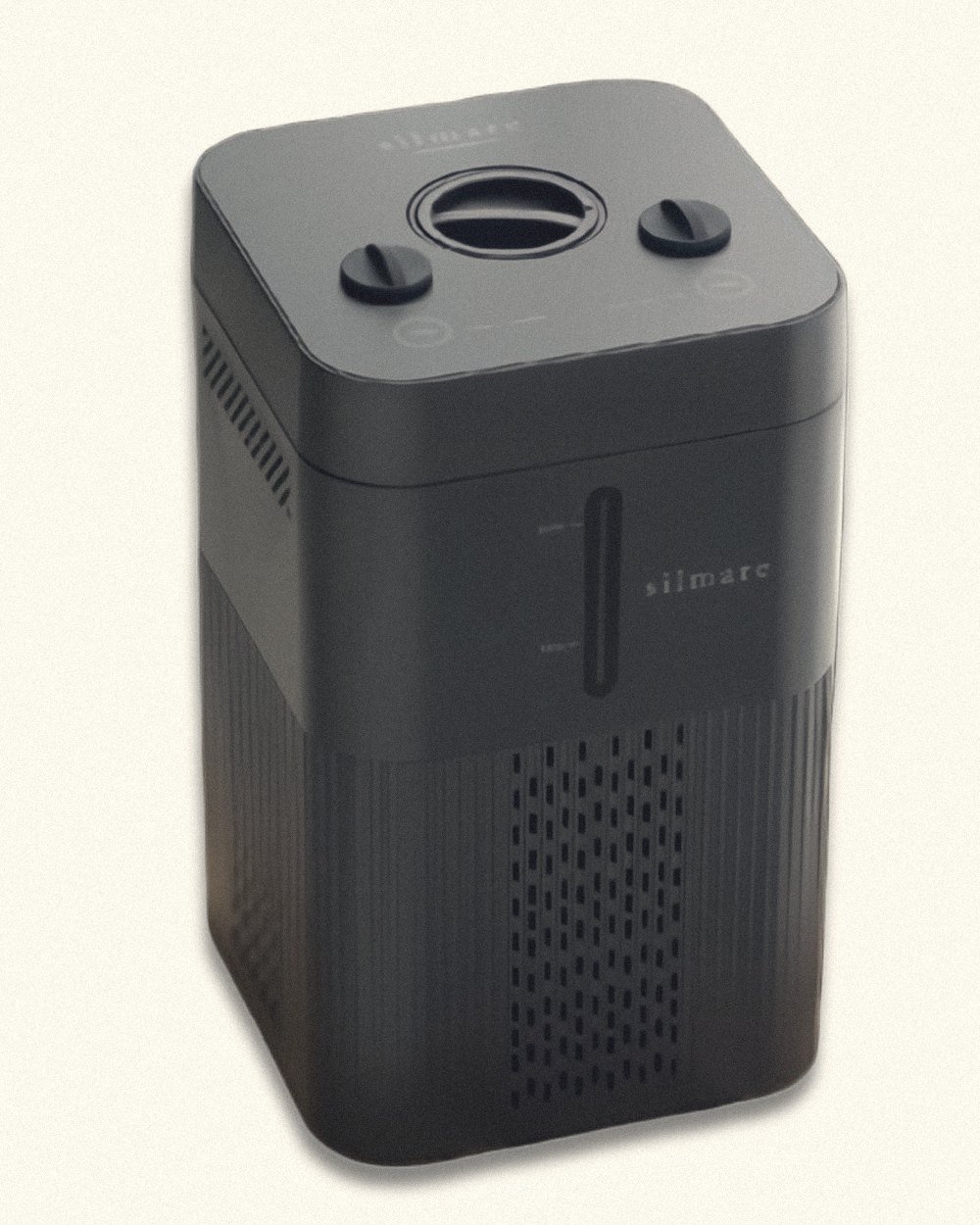
Level two · hydrogen inhalation
Water is level one.
This is level two.
Hydrogen gas through a nasal cannula, 120 millilitres a minute, timed to your breathing. For people who've felt the bottle work and want more of the molecule per day.
Current price. No code needed.
150 mL/min
Hydrogen flow
Roughly thirteen milligrams of hydrogen gas a minute leaves the machine.
99.995%
Purity
PEM electrolysis with a titanium plate. Hydrogen out one port, oxygen out the other.
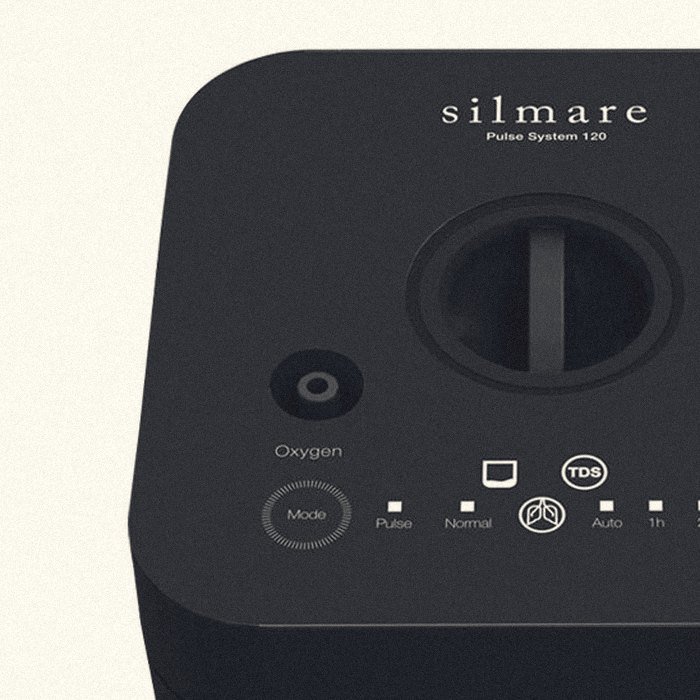
Pulse mode
Timed to your breath
Flow on the inhale, pause on the exhale. Normal mode runs continuously if you prefer.
60 W · 3.5 lb
Desk-sized
Five inches square, eight and a half tall. Quiet enough to read next to.
§ 02 · Why breathe it
Water can only hold so much hydrogen. At room temperature and normal pressure the ceiling is 1.6 milligrams per litre, which is why the HydroSpark stops there and why any bottle claiming ten times that is lying. A 390 mL bottle, drunk fresh, delivers a little over half a milligram.
Gas has no such ceiling. This machine puts out 150 millilitres of hydrogen a minute, which weighs roughly thirteen milligrams. A thirty-minute session moves several hundred milligrams past your nose. How much of that crosses into your blood depends on your breathing, the fit of the cannula and how long you sit there, and nobody publishes a clean number for that, so we don't either.
What's fair to say: most of the published inhalation studies, including the clinical work in Japan, use flows in this range for sessions of thirty minutes to a few hours. That's the range this machine runs in.
The bottle still earns its place on the counter. It travels, and one mouse study in the library suggests hydrogen in the gut triggers a hormone response that inhaled hydrogen doesn't. One study, in mice. It's linked so you can weigh it yourself.
§ 03 · What “pulse” means
A continuous-flow inhaler runs the whole time. Half of every breath is an exhale, and the hydrogen released during it goes into the room. Pulse mode senses the start of your inhale and releases then.
The maker says this delivers up to three times the absorption of continuous flow, and we haven't verified that number ourselves, so we don't lead with it. What's certain is simpler: hydrogen you release while breathing out is hydrogen you paid for and didn't breathe.
Normal mode is a switch away if you'd rather run it continuously.
§ 04 · Decoded
What each one changes about how you'll use it.
Hydrogen gas weighs about 0.09 milligrams per millilitre, so that's roughly 13 mg a minute at the outlet, against about 0.6 mg in a full bottle of hydrogen water. A different order of magnitude of the molecule, for as long as the session runs.
The cell splits distilled water into hydrogen and oxygen and keeps them apart: the hydrogen goes to the cannula, the oxygen vents through its own port. That separation is what the purity number measures.
Flow on the inhale, pause on the exhale, so the hydrogen you paid for is the hydrogen you breathe. What we can and can't verify about the maker's absorption figure is in the section above. Normal mode runs continuously if you'd rather.
This is the one place the bottle and the machine disagree. The HydroSpark needs the minerals in real water to conduct; this cell needs water with nothing in it, and warns you if it gets something else. A gallon of distilled water lasts a long time.
Start short and work up. The machine shuts itself off at the end of the session, when the water runs low, or if it overheats.
The included wand bubbles hydrogen into a glass of water, tea or whatever you're drinking: up to 1.6 mg/L in about two minutes. Not a replacement for the bottle when you're out of the house, but at home it does the same job.
Low-water alert, water-quality monitoring, overheat auto shut-off, an overpressure valve, and a sealed electrolysis chamber. Hydrogen is non-toxic; the only real rule is no open flame next to the outlet.
$1,860 once. Nothing to replace on a schedule, nothing to keep paying for, and what that works out to per day is below.
§ 05 · The math on a machine you keep
That's the price divided over twenty years, which is what the electrolysis cell is engineered to last with distilled water and basic care. There are no filters, cartridges or subscriptions to add to it. Compare it to the monthly line in your supplement spending.
The other half of the math is that the warranty is two years, and twenty is an engineering expectation rather than a promise. If the cell fails inside the warranty we replace it, and if it runs for two decades you'll have paid about the cost of a coffee a week for it.
If you haven't tried hydrogen at all. Start with the bottle. It's $177, it's returnable, and it will tell you whether this molecule does anything for you before you spend ten times as much on a machine that isn't.
If the bottle did nothing for you. More of a thing that did nothing is still nothing, and some people don't respond.
If you need it to be returnable. It isn't, and the policy is below.
If you have a serious medical condition and you're thinking of this as a replacement for treatment. Talk to your doctor. Bring the research library if it helps.
You've used the bottle for a month or two and you'd like the afternoons to keep evening out without planning your day around drinking a glass every few hours.
You want a session you can sit inside: thirty minutes with a book, an hour at the desk, the night if you like.
You'd rather pay once for something engineered to last than keep a subscription alive.
You read the spec sheet before the testimonials. We wrote the page in that order on purpose.
Policy
Inhalation devices can't come back once they've shipped, because you breathe through them, which makes a used unit impossible to resell, and because the category is regulated as medical equipment.
What is covered: if it arrives damaged or doesn't work, tell us within 7 days of delivery and we replace it free, shipping included. After that, the 2-year warranty covers electrical failures, internal defects and major malfunctions; wear and tear and misuse aren't included.
What we'd suggest: if you aren't sure, book the free call. If the right answer is the bottle, that's the answer you'll get. The full returns and warranty policy →
Because it moves a different amount of the molecule. The bottle tops out at 1.6 mg/L, which is the chemistry ceiling for water; the machine puts out roughly 13 mg of hydrogen gas a minute for as long as the session runs. If the bottle did something for you and you want more of it per day, this is the next step. If the bottle did nothing, don't buy this hoping more will.
The timer offers one- and two-hour settings and an auto mode. Start with a short session and work up; most of the research on inhalation uses sessions from thirty minutes to a few hours. Read next to it, work next to it, sleep next to it.
Molecular hydrogen is non-toxic and isn't metabolized; at these flow rates it disperses in room air well below any concentration that matters. The reviews in our research library report no adverse effects from inhaled H2 in the published studies. Keep the outlet away from open flame, and if you manage a medical condition, talk to your doctor.
Different cells, different jobs. The bottle electrolyzes the water you're about to drink and needs minerals to carry current. The machine electrolyzes a reservoir you never drink from, and minerals would foul the membrane. The machine's water-quality sensor will tell you if you put the wrong thing in.
The VH600 moves four times the hydrogen (600 mL/min), makes a pitcher and a half of hydrogen water at a time, and runs sessions up to eight hours. It costs $4,997 and takes a filter every six months. For one person doing daily sessions, the Pulse is the honest recommendation. For a household, or for someone who wants both routes from one machine, read the VH600 page.
No. Inhalation devices aren't returnable once they ship, and the policy above says why and what is covered, so if you're not sure, book the free call before you buy.
None yet
The Pulse hasn't collected a store review yet, so there's nothing here to show. When they come in, they go here as written.
Thirteen milligrams a minute, timed to your breath, with nothing to replace, sold at one price with no clock on it. The returns policy is above, so read it before you buy.